
Prototyping and Small-Series Production
Prototyping and small-series production — PCB assembly (PCBA), stencil and reflow, component sourcing, enclosure assembly, functional testing and batch traceability.
Typical project:A first batch of 20 units, with testing and packaging· 4–8 weeks
Project
Tell us briefly about the project: what you want to build, which functions it needs, the rough timeframe. If we have done something similar we will send an example.
From the first working sample to a small series: PCB assembly (PCBA), stencil and paste, component sourcing, enclosure and assembly, functional testing. DFM optimisation, documentation and batch traceability.
There is a long distance between a working prototype and a sellable product. A prototype works once; a series has to work every time, on every unit. That transition needs a process, not a design: the same components, the same assembly order, the same test.
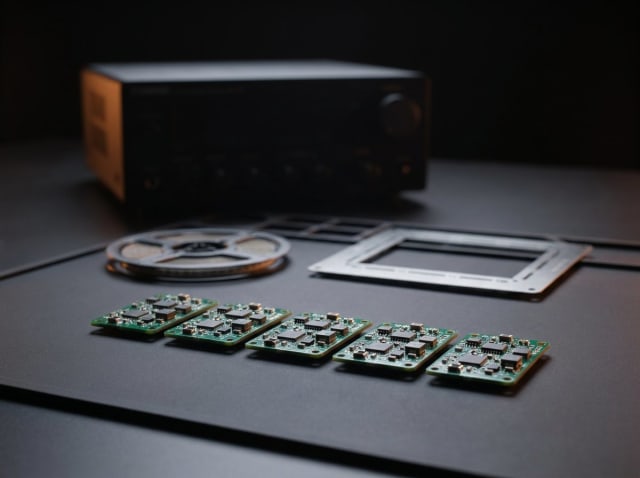
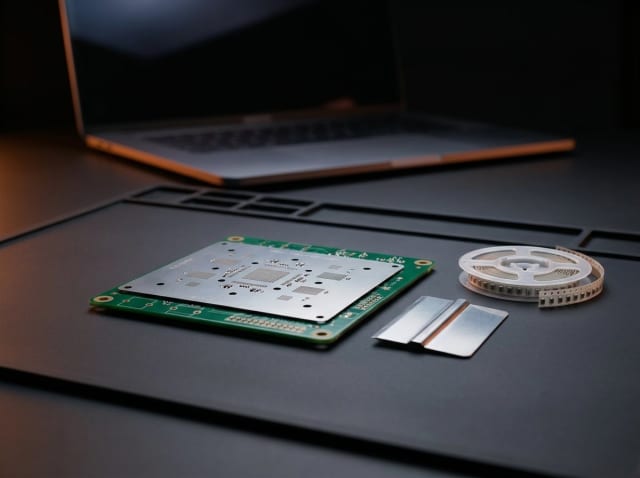
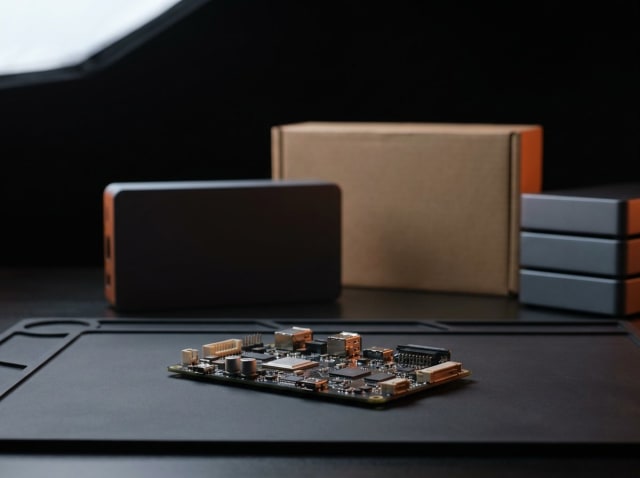
We assemble the first batch ourselves — stencil, solder paste, reflow, then functional test. This stage exposes where the design does not suit production: components placed too close, an unreachable test point, a connector facing the wrong way. Fixing those before the series costs several times less.
In small series the biggest losses come from component sourcing. One part unexpectedly leaving the market halts the whole batch, so alternatives are identified in the BOM for critical parts in advance.
How we work
What this area covers
- Building and assembling the first prototype batch
- PCB assembly (PCBA) — SMD and through-hole
- Stencil, solder paste and reflow process
- Component sourcing and alternative selection
- Enclosure selection, 3D printing and mechanical assembly
- Functional test rig and test procedure
- DFM and DFA optimisation for the series
- Production documents — assembly drawing, work instruction
- Batch traceability and serial numbering
- Firmware flashing in production
- Packaging and labelling
- Dealing with the factory and matching files to their rules
What you receive
- An assembled and tested prototype batch
- Functional test rig and test procedure
- Production documents — assembly drawing, work instruction
- BOM, including alternative components
- DFM/DFA report — changes needed for the series
- Enclosure and mechanical assembly solution
- Batch traceability and serial numbering scheme
- Packaging and labelling solution
Technologies we work with
From concept to production
- 01
Consultation and Requirements Analysis
We jointly define the project's goals, functional requirements, and budget/timeline constraints. NDA signed if needed.
- 02
Architecture and Schematic Design
System architecture, part selection, schematic drafted. Initial BOM and PCB block diagram agreed upon.
- 03
PCB Layout and Firmware
PCB design (KiCad/Altium), signal integrity, EMC checks. Firmware developed in parallel. Interim reviews.
- 04
Prototype and Testing
First PCB batch assembled and lab-tested. Validation with firmware. Required adjustments.
- 05
Production and Support
DFM optimization for mass production. Documentation, user manual, long-term technical support.
Frequently asked questions
Other engineering areas
Have an idea? Let's talk
Small prototype, medium-scale R&D, or long-term technical support — regardless of your project size, I respond within 48 hours.