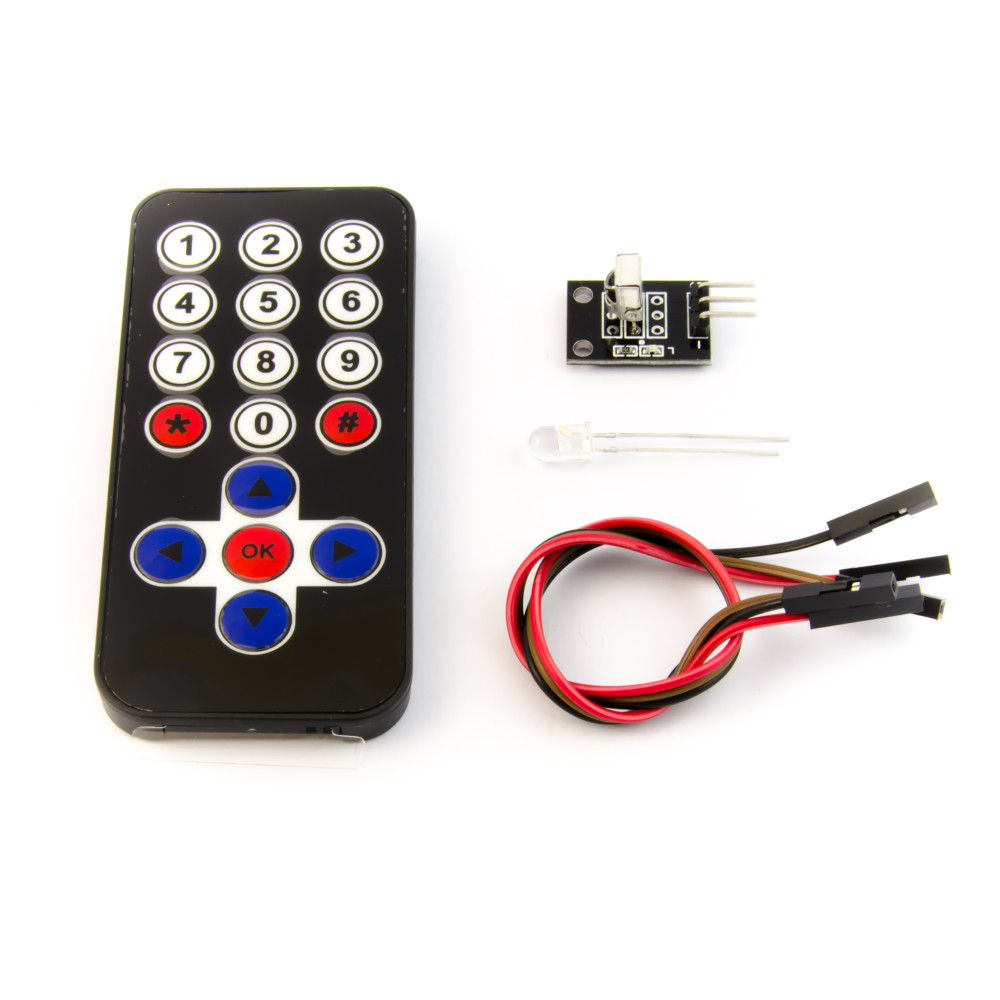
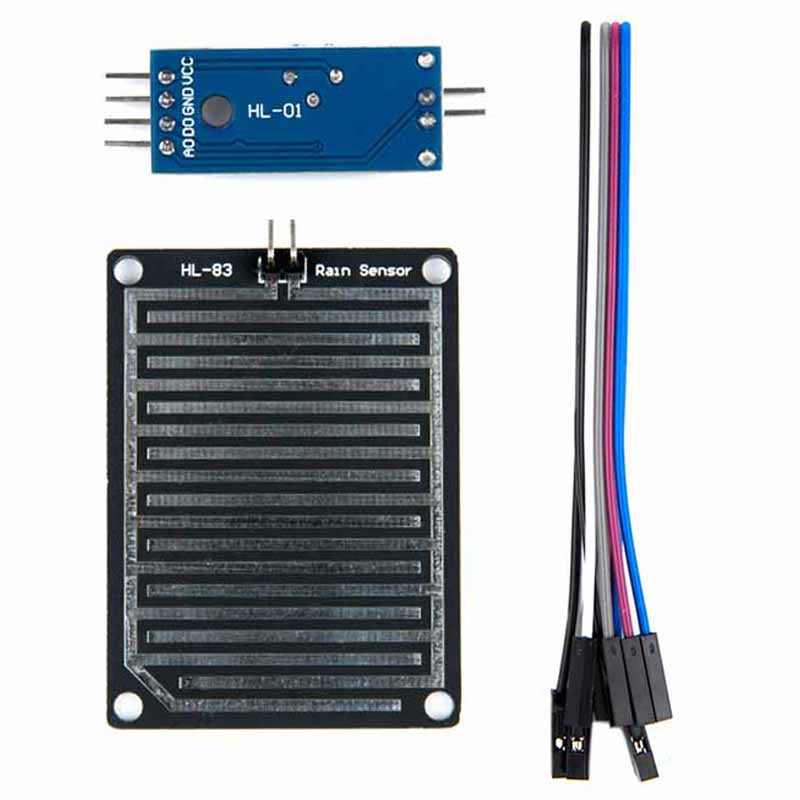
Many engineers in Azerbaijan “touch” embedded once or twice — buy an Arduino kit, blink some LEDs — and then get stuck. They feel they know a bit of everything, but never enough to pass an interview. Let’s strip away the hype and talk about a realistic path from hobbyist to hireable embedded engineer in our local context.
1. Foundations: C, electronics, and thinking in bits
If you’re starting from scratch, your first 6–9 months should be mostly about foundations:
- C language – still the dominant language for firmware
- Basic electronics – voltage/current, Ohm’s law, pull-up/pull-down, simple transistor use
- Binary thinking – bitwise operators, hex, two’s complement, integer overflow
Free resources worth your time:
- C: learn-c.org, plus any C playlist with many small exercises
- Electronics: All About Circuits and the free chapters of The Art of Electronics you can find online
- MCU basics: STM32 or ESP32 YouTube tutorials that show both code and schematics
Your goal in this stage:
- Write 20–30 small C programs (arrays, pointers, structs, bit flags)
- Build at least 5–10 breadboard circuits: LED + button, transistor switch, simple sensor reading with Arduino
Without this base, everything else will feel like copy–paste from random tutorials.
2. Arduino is a step, not a destination
Arduino is great to get quick results, but stopping at Arduino-level will not get you an embedded job. Treat it as a transition platform for 1–2 months:
Focus on:
pinMode,digitalWrite,analogRead,millis()– understand what they do under the hoodSerialcommunication – printing debug information, simple protocols- Using at least one sensor (e.g., DHT22) and one actuator (relay, motor driver)
Then move on to “real” MCUs and SoCs that are common in Azerbaijani projects:
- STM32 (e.g., STM32F1/F4 Nucleo boards, Blue Pill)
- ESP32 DevKit boards for IoT (Wi‑Fi/Bluetooth)
Your aim here is to touch the peripherals directly:
- GPIO: input, output, interrupts on button press
- Timers: PWM, periodic interrupts
- ADC: sampling sensors, basic filtering
- UART / I2C / SPI: talking to modules and sensors
3. Tooling: compilers, debuggers, and Git
In local embedded interviews, you will often hear questions like:
- Which toolchain do you use?
- How do you debug your firmware?
- Do you keep your projects in Git?
You should be comfortable with at least:
- IDE / build system:
- STM32CubeIDE or Keil for STM32
- ESP-IDF (CMake +
idf.py) for ESP32 - Debugging:
- ST-LINK or J-Link for STM32
idf.py monitorandgdbfor ESP32- Version control:
git clone,commit,branch,merge- Hosting your code on GitHub/GitLab
A strong signal for employers is a public GitHub profile with:
- 3–4 embedded repos
- Clear
README.mdwith block diagrams, pinouts, and short explanations - Tagged commits instead of one giant “final version” dump
4. Build a portfolio that looks like work, not homework
Most Azerbaijani employers don’t care if your degree project got 100 points. They care if you can ship something that works. A good portfolio has 3–5 projects that look like real products:
Examples:
- Smart thermostat: STM32 + DS18B20/NTC, relay control, LCD + buttons UI, simple PID or hysteresis control
- ESP32 sensor node: reads temperature/humidity and sends data via MQTT to a broker (could be a cheap VPS or Raspberry Pi)
- Small differential drive robot: two DC motors, encoders, H-bridge, closed-loop speed control
- Modbus RTU to MQTT gateway: RS-485 transceiver + STM32, talks Modbus to meters and publishes data over MQTT via ESP8266/ESP32
For each project, demonstrate:
- Use of interrupts and timers
- At least one communication protocol
- Some error handling and logging
- A short design document (can be a markdown file in the repo)
This separates you from candidates whose entire experience is “Arduino traffic light with 3 LEDs”.
5. What do employers in Azerbaijan actually look for?
Typical local embedded roles (smart metering, GPS tracking, industrial automation, IoT) silently expect a “full stack of hardware” person:
- Firmware:
- Solid C, confident with pointers and
volatile - Understanding of interrupts, ISRs, and concurrency issues
- Experience with FreeRTOS or another RTOS is a big plus
- Hardware literacy:
- Ability to read schematics
- Basic PCB design skills (KiCad/Altium) for 2-layer boards
- Connectivity / IoT basics:
- Serial protocols (UART, RS-485, Modbus)
- High-level protocols (MQTT, HTTP, TCP/UDP concepts)
Soft filters that matter more than you think:
- Can you read datasheets and reference manuals without panicking?
- Do you know how to search for an erratum or application note?
- Can you explain a bug you had and how you debugged it?
6. Realistic timeline to junior level
Assuming you can invest 2–3 hours per day:
- Months 0–6: C + basic electronics + Arduino
- Months 6–18: STM32/ESP32, peripherals, debugging tools, Git
- Months 18–30: 3–5 solid projects, FreeRTOS, simple PCB design, basic IoT protocols
So going from zero to hireable junior embedded engineer realistically takes around 2–2.5 years. If you already know C or electronics, this can be significantly shorter.
7. Local reality and how to adapt
Some honest notes specific to Azerbaijan:
- Job postings are few, but a lot of work is done via networks and referrals
- Companies often want “one person for everything” – hardware, firmware, sometimes even mobile/backend
- Azerbaijani resources are limited, so technical English is nearly mandatory
What you can do:
- Join local maker/robotics communities, hackathons, online groups
- Use university labs to build real hardware, not just PowerPoint projects
- Be ready to start with a mixed role (e.g., part QA, part firmware, part support) and gradually push yourself toward deeper embedded work
If you treat embedded as a craft and not a quick trend, steadily build skills, and show your work publicly, you can absolutely grow a serious embedded career from Azerbaijan — even if the path is not as straightforward as in larger tech hubs.